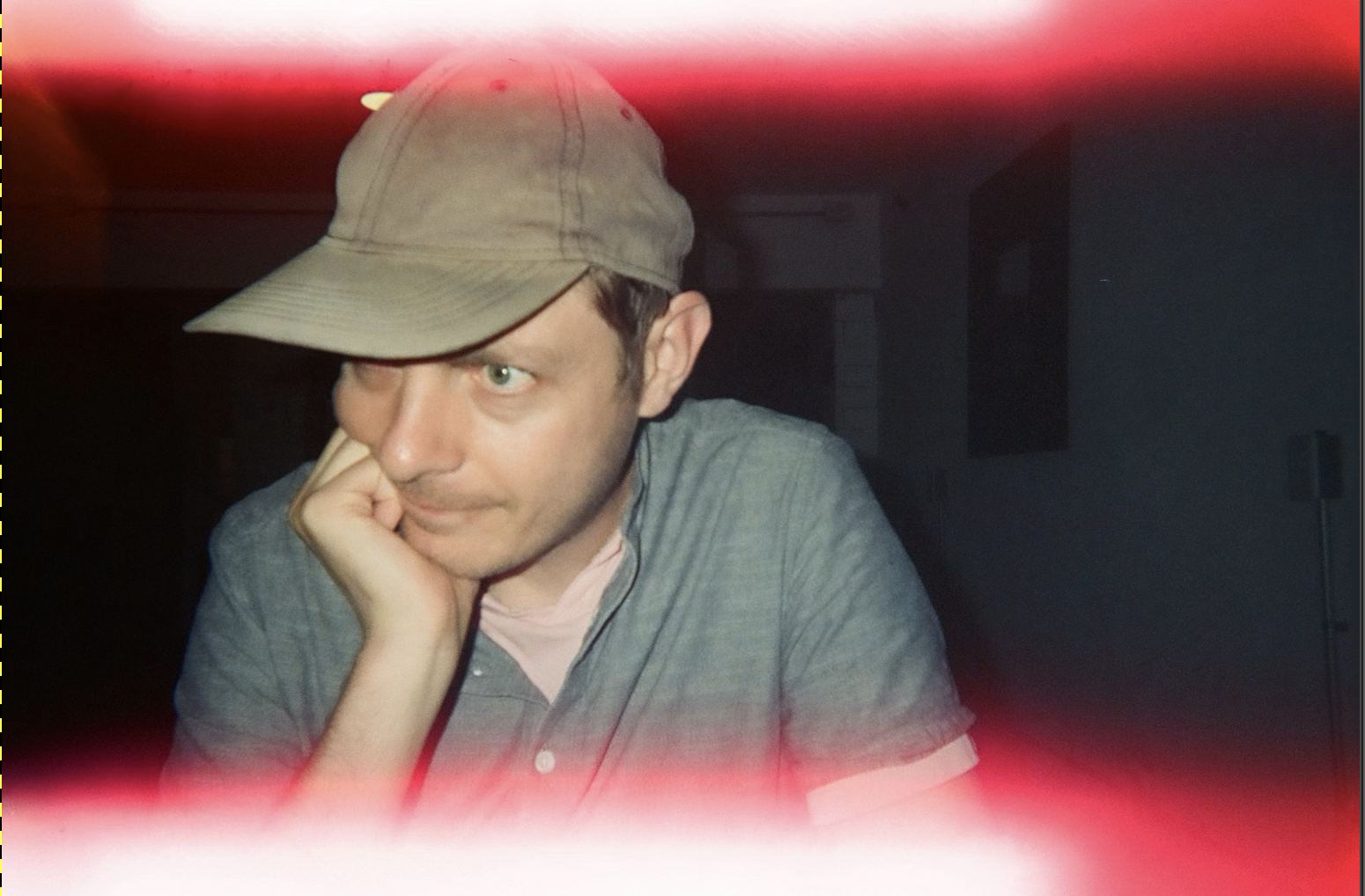
About Michael G. Bauer, LMFT, ATR, Founder of Counseling for Creative People
For many people, therapy begins during moments of uncertainty: anxiety, overwhelm, life transitions, relationship difficulties, creative blocks, or the lingering feeling of being disconnected from oneself. For Michael G. Bauer, therapy is not simply about symptom reduction — it is also about helping people reconnect with curiosity, creativity, purpose, and a fuller sense of being alive.
Michael is a Licensed Marriage and Family Therapist (LMFT) and Registered Art Therapist (ATR), as well as the founder of Counseling for Creative People, a California-based therapy practice that integrates creative expression, mindfulness, cognitive behavioral approaches, and compassionate self-understanding into the therapeutic process.
With more than a decade of experience in mental health, Michael works with teens, adults, couples, and creatives navigating anxiety, depression, relationship concerns, self-esteem issues, grief, OCD, stress, and life transitions. His approach is grounded, reflective, and integrative, drawing from Cognitive Behavioral Therapy (CBT), Art Therapy, mindfulness-based approaches, and trauma-informed care.
But long before becoming a therapist, Michael’s path was rooted in art, music, and creative exploration.
Early Creative Life and Artistic Roots
Michael grew up in Tempe, AZ, during the 1990s and immersed himself in music, photography, drawing, painting, and creative culture as a teenager. His father helped him build a black-and-white darkroom in the family laundry room, and much of his adolescence was spent making art, recording music on a Tascam four-track recorder, attending shows, and developing a creative identity.
These early experiences became foundational to how he understands both the interesection creativity and healing today.
As a young artist, Michael moved to Los Angeles to study art at University of California, Los Angeles, where he further developed his artistic practice and interest in human connection, introspection, and emotional expression. Over time, his creative work increasingly explored themes of education, mindfulness, relationships, meditation, self-awareness, and personal growth.
In the late 2000s, Michael traveled throughout the United States, participated in artist residencies, lived collectively in Philadelphia, collaborated in music projects, and became involved in community-based art and educational initiatives. These experiences deepened his interest in psychology and ultimately led him toward the field of therapy.
Discovering Therapy and Art Therapy
In 2012, Michael began seriously exploring the possibility of becoming a therapist. Discovering the fields of Marriage and Family Therapy and Art Therapy felt like a meaningful convergence of his interests in creativity, psychology, collaboration, and emotional healing.
He returned to Los Angeles and attended graduate school at Loyola Marymount University, earning a master’s degree while deepening his understanding of human behavior, attachment, self-awareness, and relational dynamics.
Following graduate school, Michael gained experience working in community mental health with children and families, and in a private group practice setting, before eventually founding Counseling for Creative People. His private practice is dedicated to helping people heal and grow through thoughtful, creative, and compassionate therapeutic work.
Counseling for Creative People
Today, Counseling for Creative People serves a broad range of clients, including artists, musicians, filmmakers, writers, designers, educators, and individuals who simply value creativity and self-expression as important parts of their lives.
Michael’s work often explores questions such as:
How do we better understand all parts of ourselves and work towards more inner harmony?
How do we work with anxiety and overwhelm?
What helps people reconnect to a deep sense of meaning and purpose?
How do creativity and emotional healing intersect?
What happens when people begin approaching themselves with greater compassion?
At the center of Michael’s philosophy is the belief that creativity is not limited to artistic production alone. Creativity can also involve how we problem-solve, communicate, build relationships, process emotions, and imagine new possibilities for our lives.
His therapeutic work encourages clients to cultivate awareness, self-compassion, emotional flexibility, and mindful engagement with themselves and the world around them.
Creativity, Purpose, and Human Development
One of the recurring themes in Michael’s work is the relationship between early childhood experiences and the development of purpose and identity.
Drawing from attachment theory, developmental psychology, and his own experiences as both an artist and therapist, Michael often reflects on how supportive caregivers, curiosity, play, and exploration shape people’s lifelong relationship with creativity and meaning.
He believes many people can reconnect with lost or forgotten parts of themselves by revisiting the interests, passions, and moments of wonder that existed earlier in life. And if that was absent in childhood, then it becomes about cultivating and discovering those interests and passions, and allowing that younger part to discover their creative voice.
At the same time, Michael acknowledges that not everyone grows up with environments that foster safety, encouragement, or creative exploration. Part of the therapeutic process can involve helping adults build internal and external support systems later in life — developing self-trust, finding affirming communities, and rediscovering possibilities that may have once felt inaccessible.
Working with Anxiety, Overwhelm, and Self-Criticism
Much of Michael’s clinical work focuses on helping people navigate anxiety, overwhelm, perfectionism, negative self-talk, and emotional dysregulation.
His approach emphasizes slowing down reactions, cultivating awareness, and learning to better understand thoughts, feelings, bodily sensations, and behavioral patterns. Through grounding exercises, mindfulness, creative interventions, and cognitive reframing, clients can begin developing healthier relationships with themselves and their experiences.
Michael frequently speaks about the importance of self-compassion in healing work. Many people struggle with harsh inner criticism, shame, or impossible expectations, especially creatives and high-achieving individuals. Therapy can create space to shift those internal narratives toward greater understanding, flexibility, and care.
A Practice Rooted in Presence and Connection
At the heart of Michael’s work is a commitment to helping people feel seen, heard, understood, and supported.
He offers online therapy sessions throughout California and works with individuals, couples, and families from diverse backgrounds and lived experiences. His practice is affirming of LGBTQIA+ and non-binary communities and supportive of people navigating a wide range of identities and relationship experiences.
Michael continues to draw from his background in art, music, photography, and film while helping clients develop greater resilience, emotional insight, and connection to themselves and others.
Whether working through anxiety, life transitions, creative struggles, or relationship challenges, his therapeutic approach centers around a simple but powerful idea: people have an incredible capacity for growth, creativity, healing, and meaningful change.